
South Lake Recreational Water and Sewer District: Closing America's Wastewater Access Gap
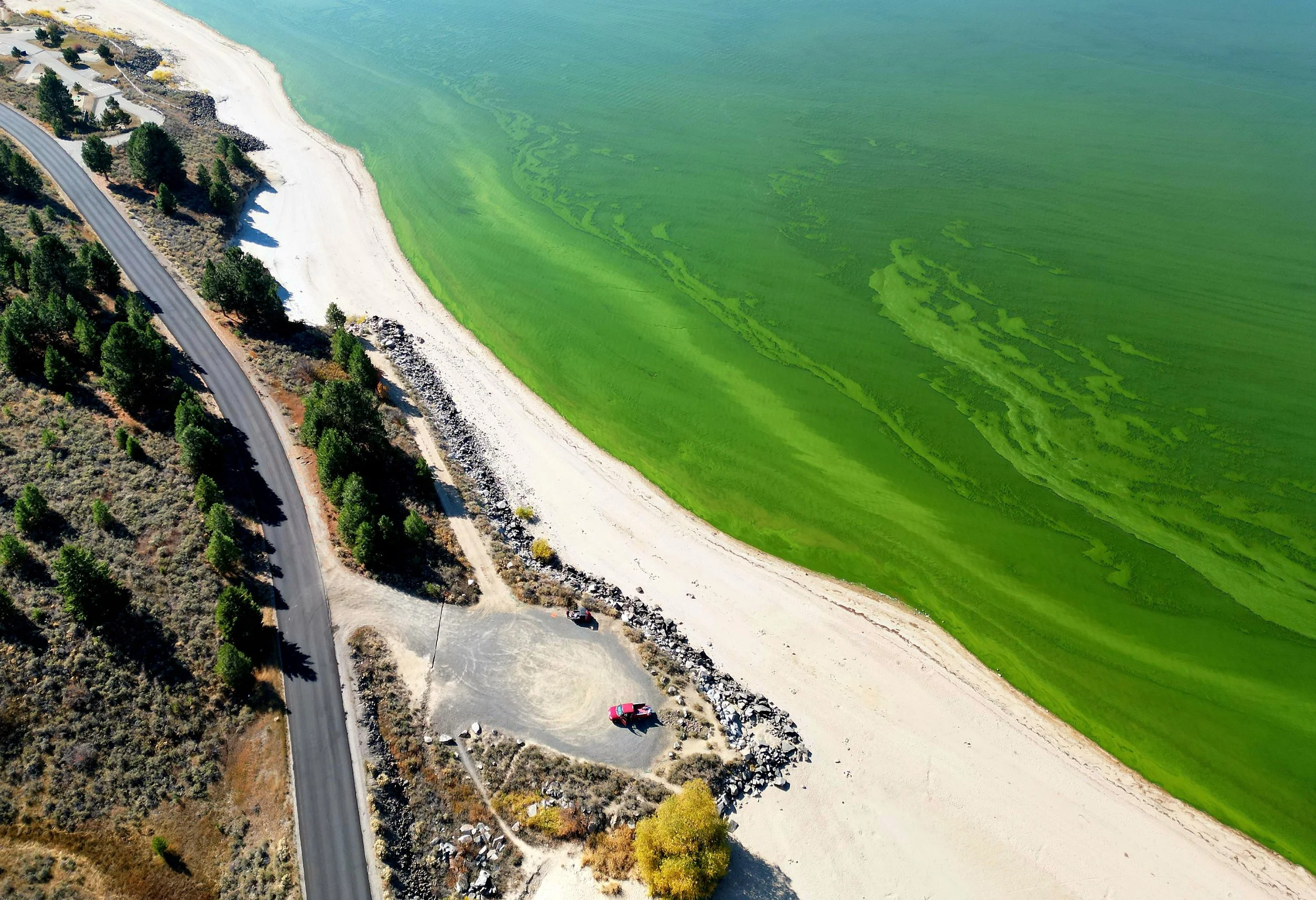
The Valley Soil and Water Conservation District is partnering with the South Lake Recreational Water and Sewer District on the Closing America's Wastewater Access Gap (CAWAG) initiative. This critical infrastructure project addresses wastewater treatment needs on the southern shores of Lake Cascade (South Lake), protecting water quality in the lake and surrounding waterways.
Access to adequate wastewater treatment is essential for public health and environmental protection, yet many rural communities across America—including areas of Valley County—lack modern wastewater infrastructure. The South Lake area has historically relied on individual septic systems, many of which are aging or inadequate for the soil conditions and density of development in the region. Failing septic systems can contaminate groundwater, degrade surface water quality, and pose risks to human health and aquatic ecosystems. The CAWAG initiative seeks to address this critical gap by developing centralized wastewater collection and treatment infrastructure for the South Lake community.
The CAWAG initiative represents a significant investment in community health and environmental protection, bringing modern wastewater infrastructure to an underserved area. Through collaboration with federal, state, and local partners—including the U.S. Environmental Protection Agency, Idaho Department of Environmental Quality, and the Rural Community Assistance Corporation—this project will reduce pollution, protect drinking water sources, and support sustainable growth in Valley County. The project includes engineering design, construction of sewer collection lines, installation of a wastewater treatment facility, and community education about the benefits of centralized wastewater management.
The District is proud to contribute technical expertise and community outreach support to this vital wastewater solution. As a trusted voice in the community, the District helps facilitate public meetings, answer landowner questions, and communicate the importance of this infrastructure investment for protecting Lake Cascade and the North Fork Payette River Watershed. Clean water is the foundation of our economy, our recreation, and our quality of life—and addressing wastewater gaps is an essential step in preserving these resources.
Beyond the immediate environmental and health benefits, the CAWAG project will also support economic development and property values in the South Lake area by providing the infrastructure needed for sustainable growth. Improved wastewater management reduces nutrient loading to the lake, helping to prevent harmful algal blooms that can close beaches and impact tourism. It also protects the investments that families have made in their homes and properties by ensuring clean, safe water for generations to come.
Community involvement is critical to the success of this initiative. The District encourages South Lake area residents and landowners to stay engaged, attend public meetings, and learn about how this project will benefit their community and the broader watershed. For more information about the CAWAG initiative, project timelines, and opportunities to provide input, contact the Valley Soil and Water Conservation District or visit South Lake Recreational Water and Sewer District. Together, we're closing the wastewater access gap and building a healthier, more sustainable future for Valley County.
Reference articles
2026 West Mountain Area Onsite Wastewater System Report
2023-2024 Lake Cascade Monitoring Report (published January 2026)
2022 DEQ TMDL & 5-Year Review Overview | Idaho Department of Environmental Quality GIS Open Data
2019 Monitoring Report Cascade Reservoir and the North For Payette River
2018 DEQ TMDL & 5-Year Review Idaho Department of Environmental Quality
2011 Cascade Reservoir Tributary TMDL Addendum
2005 Valley County South Lake Sewer Facilities Planning Study: Keller and Associates 2005 Valley County South Lake Sewer Facilities Planning Study
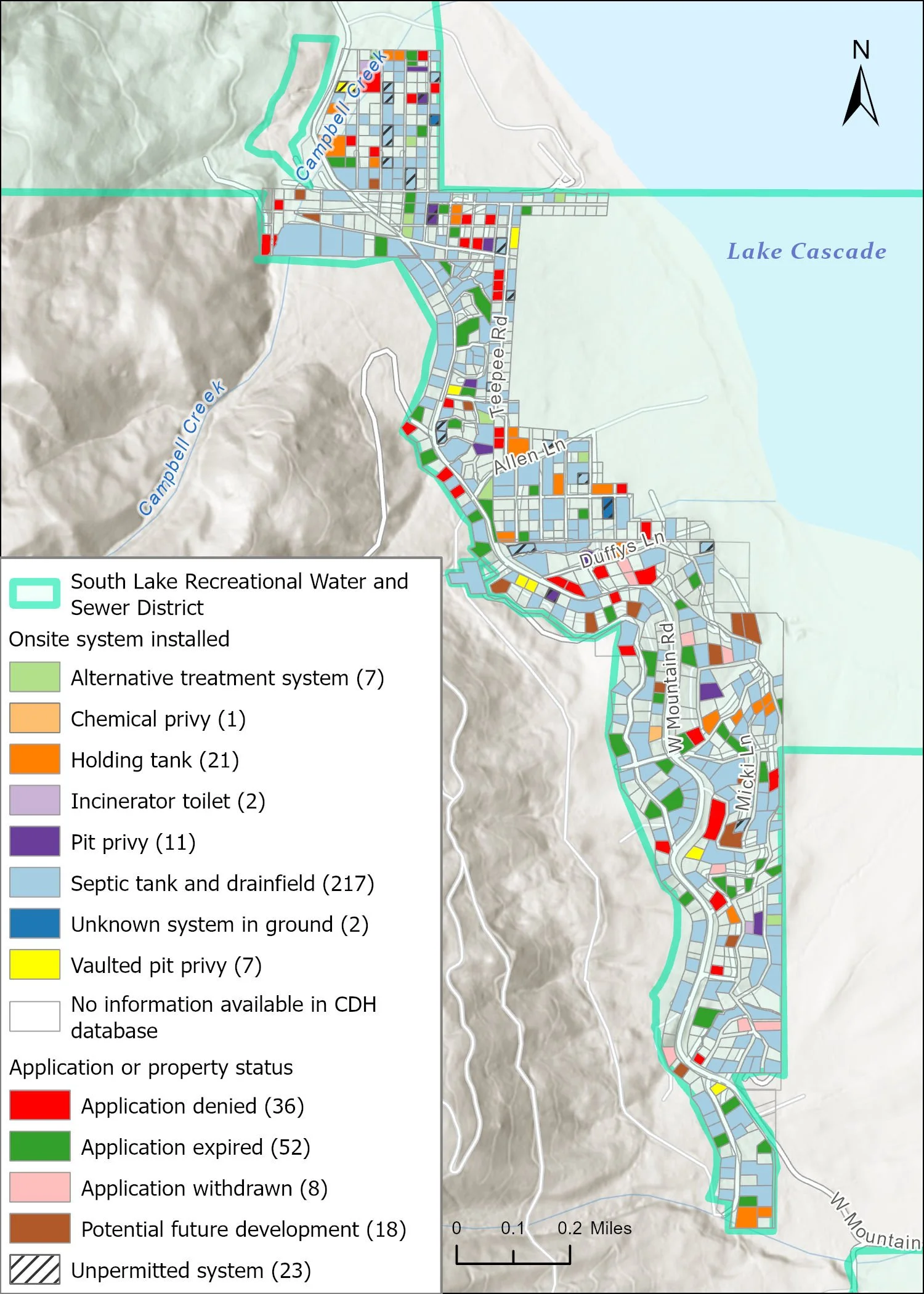
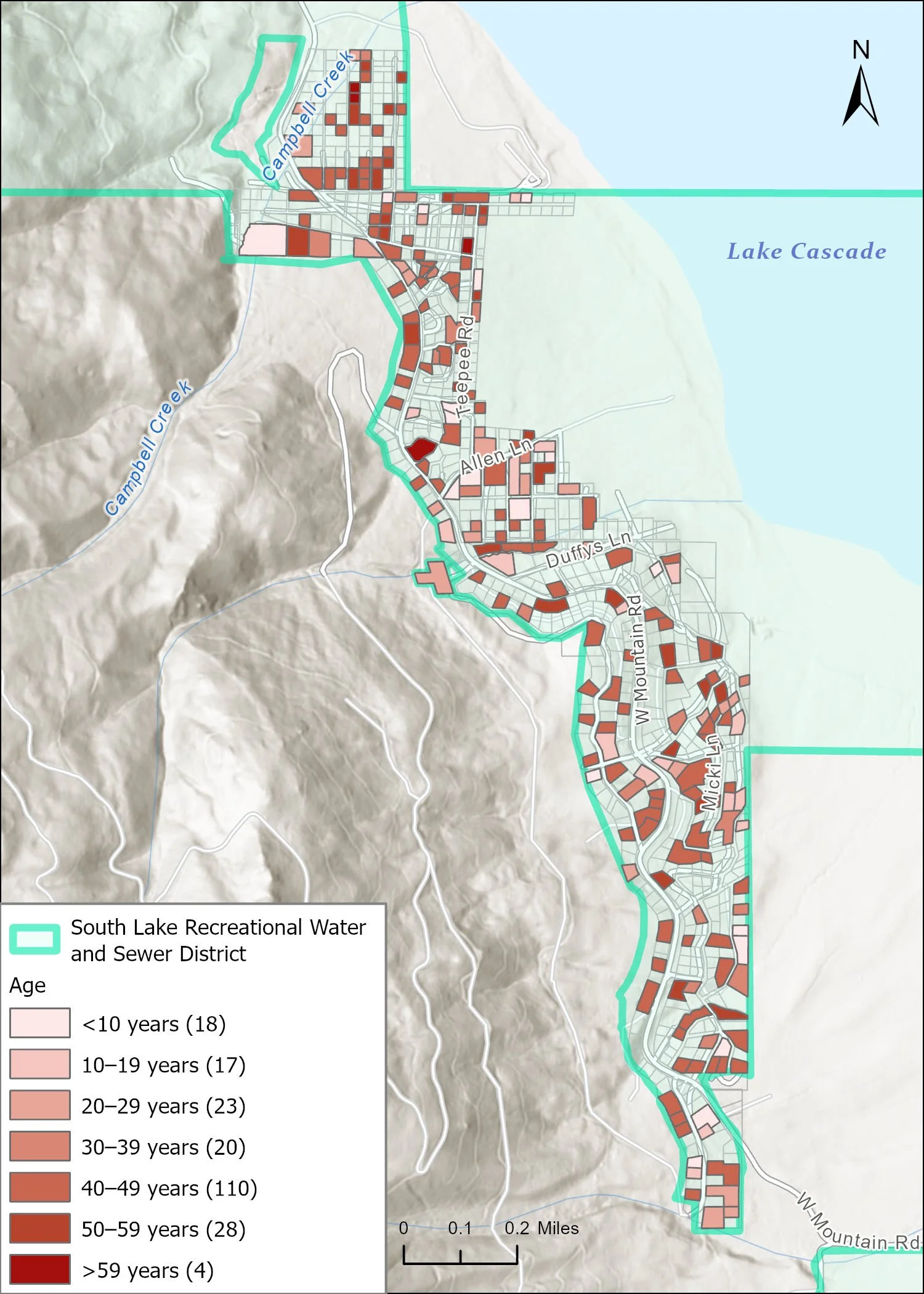
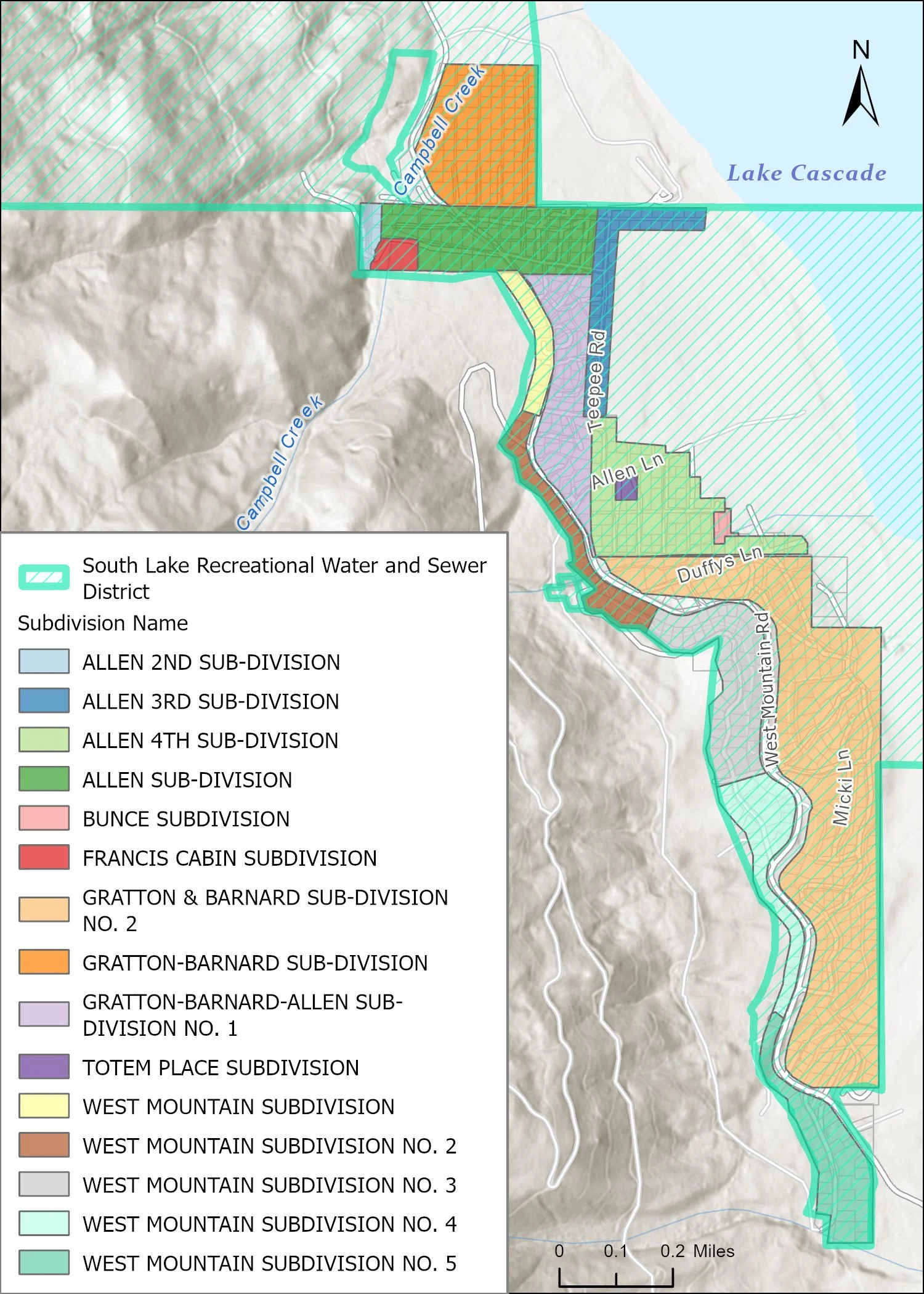
Additional maps evaluating onsite wastewater system types, drinking water facilities, and property use are included in the West Mountain Onsite Systems Summary Report