
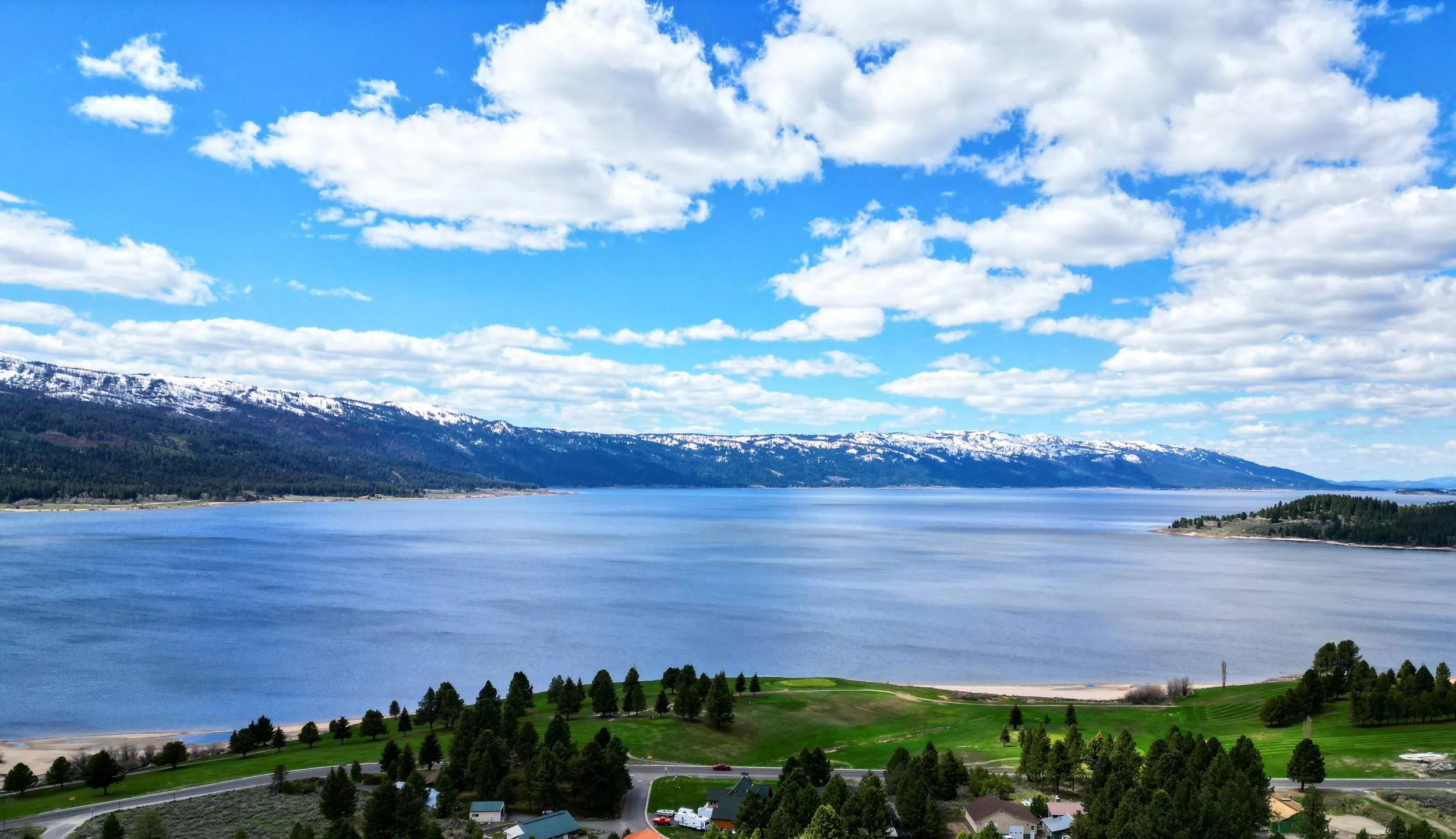
Water Quality In Valley County
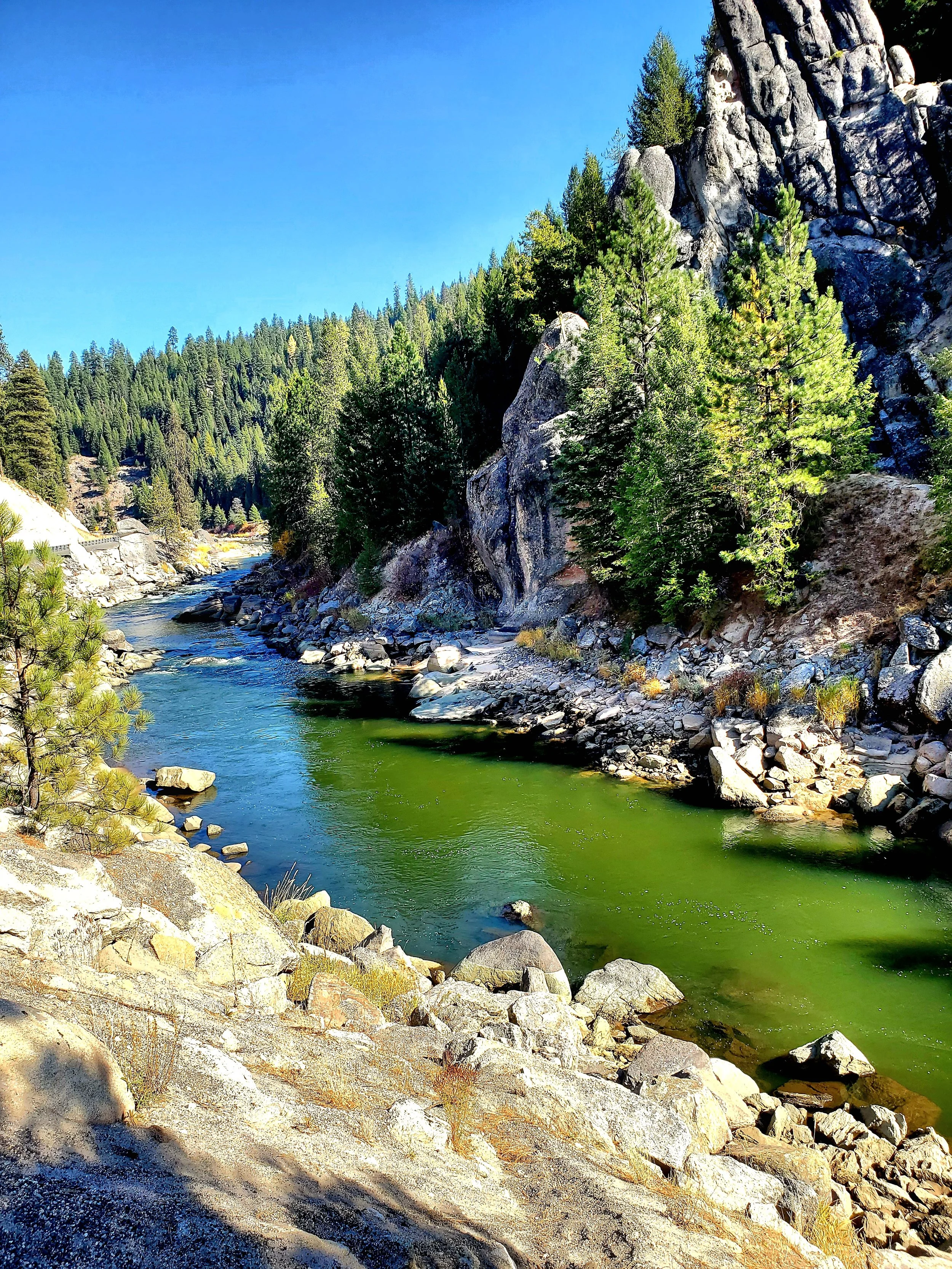
RESOURCES FOR LAKE CONDITIONS:
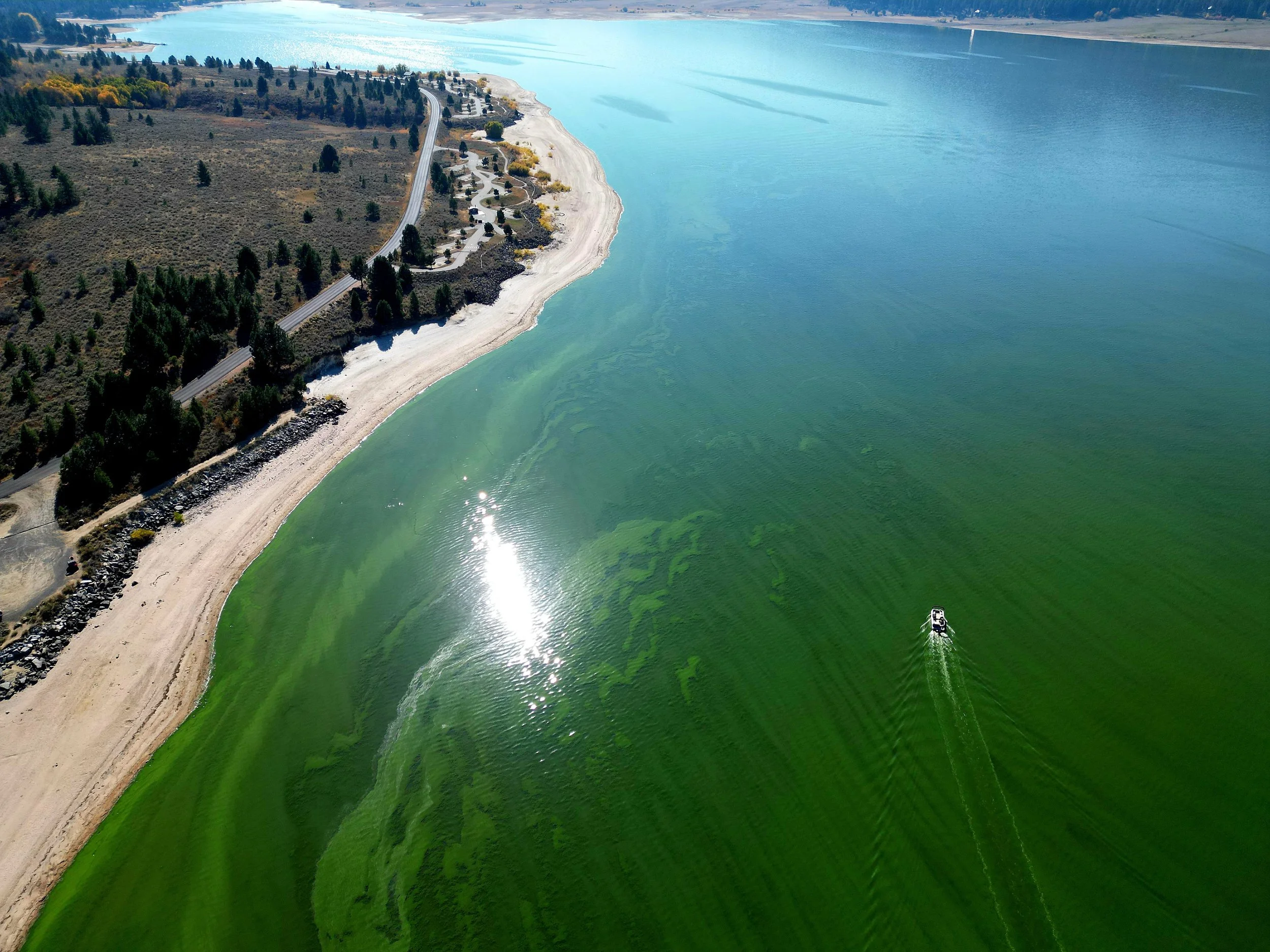
What these resources are for: An algal bloom is a rapid increase in the density of algae in the water. A rapid increase of cyanobacteria in the water is often called an algal bloom because cyanobacteria used to be called “blue-green algae.” Most governmental agencies no longer use “blue-green algae” and call these cyanobacterial blooms or harmful algal blooms (HABs). Use the links and local programs below to check current lake bloom conditions, learn what HABs look like, find official advisories, and join local monitoring efforts that help protect recreation and public health.
Official state information and advisories
Idaho Department of Environmental Quality (IDEQ) — Cyanobacteria and HABs What it provides — Current guidance on cyanobacteria (blue-green algae), state monitoring programs, technical background on bloom causes, and steps agencies take when blooms are detected. How to use it — Look for maps, recent sampling results, and IDEQ contact info to report a suspected bloom or ask about water-quality data. Link: https://www.deq.idaho.gov/water-quality/surface-water/cyanobacteria-harmful-algal-blooms/
Idaho Department of Health and Welfare (IDHW) — Recreational Water Health Advisories What it provides — Official health advisories for lakes, rivers, and reservoirs; public-safety recommendations (swim, pet, and fishing guidance); and archived advisory notices. How to use it — Check before swimming, boating, or letting pets enter the water; follow posted advisory instructions and watch for updates during warm months. Link: https://www.gethealthy.dhw.idaho.gov/recreational-water-health-advisories
Local BloomWatch early warning monitoring and community science
Friends of Lake Cascade (Citizen Science Outreach) — What it provides — Local weekly bloom watch early warning updates, satellite imagery, volunteer monitoring data, photos from the lake, and community alerts. A good place to connect with neighbors who watch for blooms and share observations. How to use it — Follow their page for real-time photos and event announcements; join volunteer trainings to learn how to spot and report blooms. Link: https://www.facebook.com/FriendsofLakeCascade
Valley Soil and Water Conservation District (VSWCD) — Sonde monitoring tool: What it is — A multi-sensor sonde that measures depth specific temperature, dissolved oxygen, chlorophyll-a and blue-green algae fluorescence, turbidity, and conductivity. Why it matters: — These parameters together with other physical measurements indicate conditions that can trigger or sustain HABs and affect recreational safety (e.g., low oxygen, high chlorophyll and Blue-green algae). How citizens can help — Trained volunteers can use sonde data to supplement agency monitoring, provide more frequent snapshots of lake conditions, and flag unusual readings for follow-up sampling.
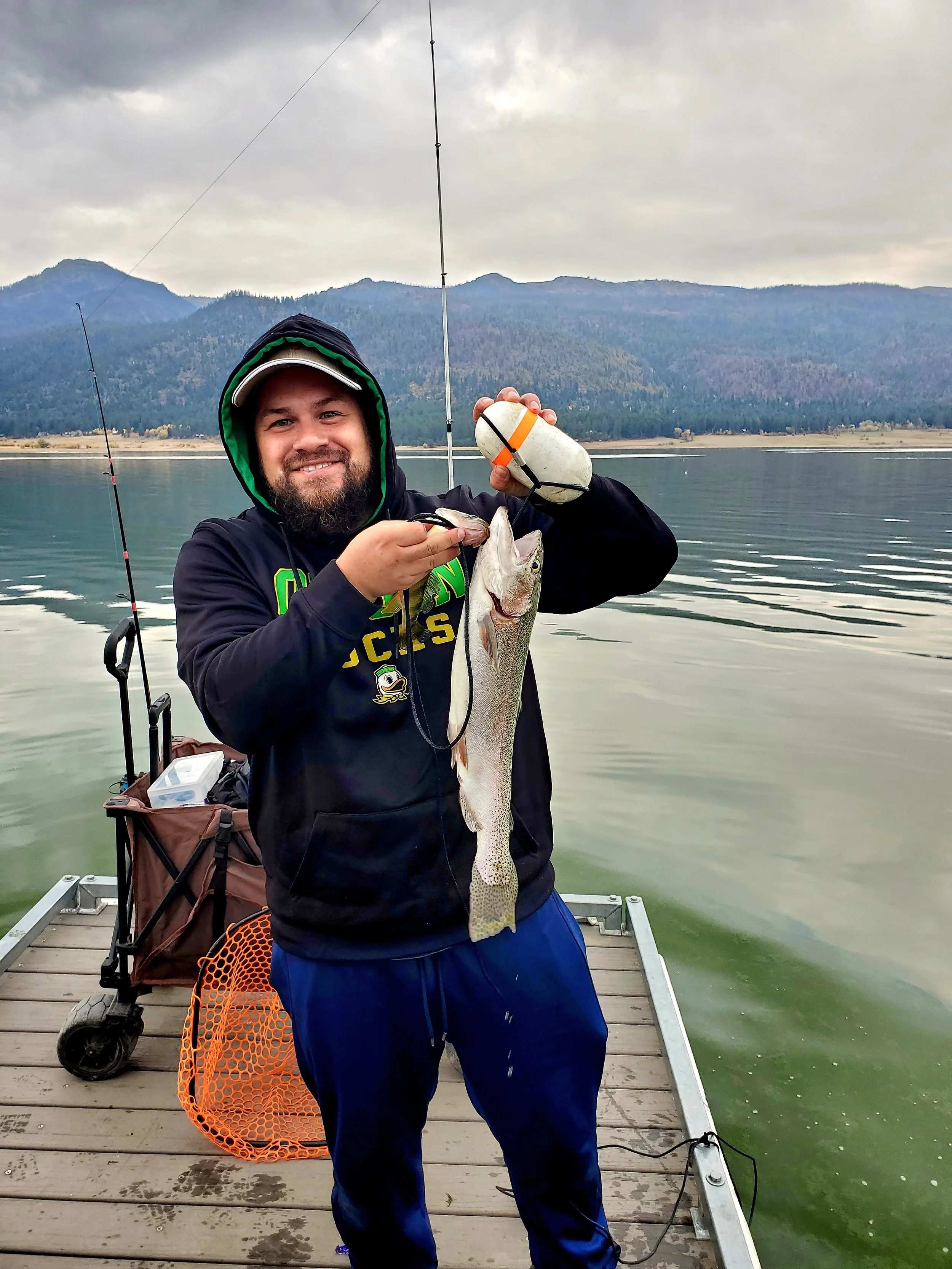
Practical guidance for the public
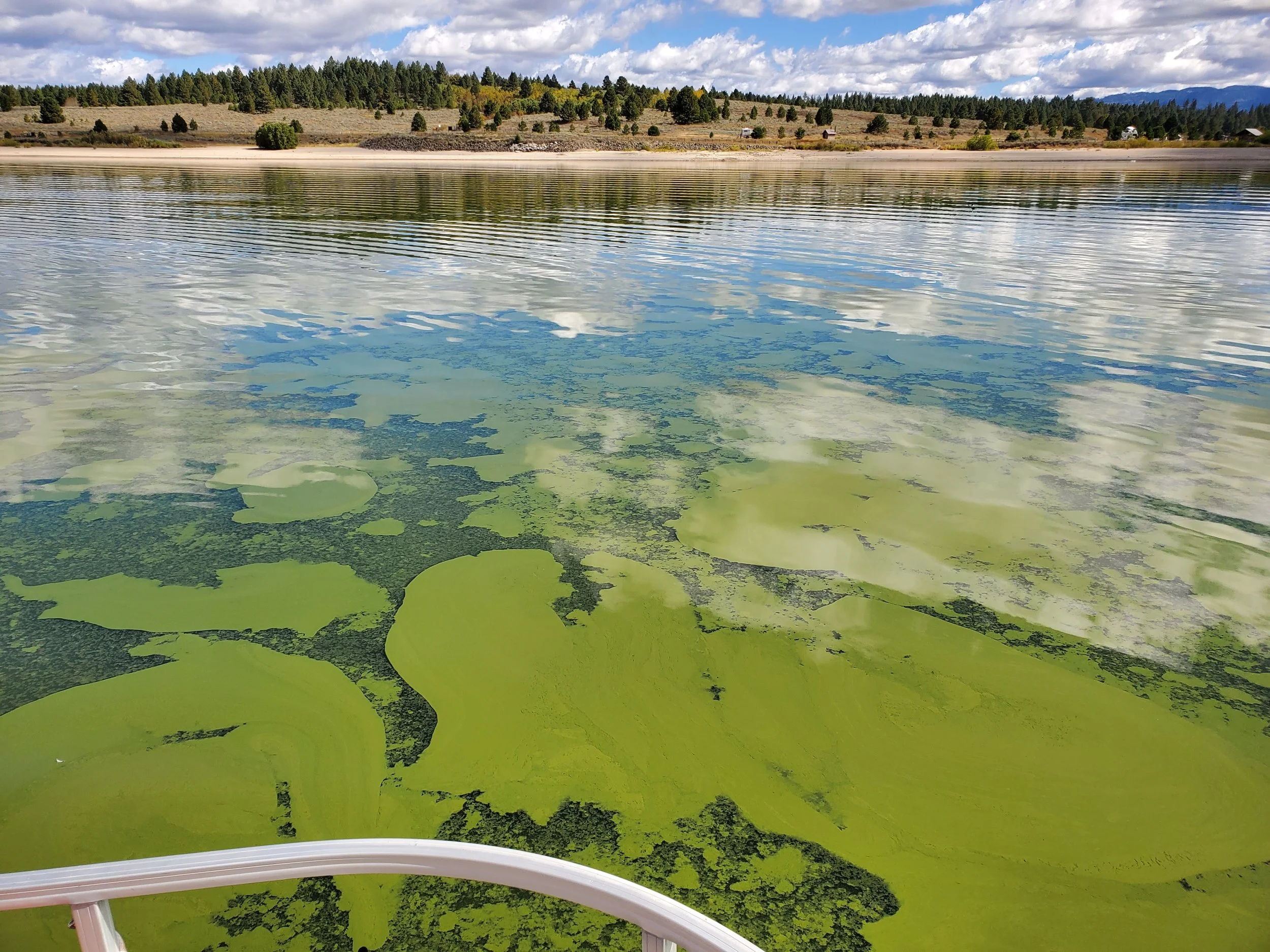
How to recognize a harmful algal bloom — Thick mats or scum on the surface; bright green, blue-green, or paint-like discoloration; foam or streaks near shore; dead fish or unusual musty, rotting or sometimes fishy/septic odor. Avoid contact if you see these signs
Local safety tip — Avoid contact with water affected by harmful algal blooms, and keep pets out as well. Do not drink untreated lake water under any circumstances. If you come into contact with algae‑heavy water or get splashed, rinse or shower with clean water as soon as possible.
When and how to report a suspected bloom — Take clear photos (wide view and close-ups), note location and time, and report blooms to IDEQ at algae@deq.idaho.gov
What integrated monitoring data means
Temperature — Warmer surface water often favors bloom formation.
Chlorophyll-a — High values indicate abundant algae and potentially cyanobacteria.
Blue-green fluorescence — Suggests growth of cyanobacteria (aka toxic algae) biomass.
Dissolved oxygen — Low oxygen can follow bloom die-off and harm fish. Low oxygen at depth (anoxic conditions) can trigger phosphorus release from sediments. High oxygen is an indicator of photosynthesis from algae growth.
Turbidity & conductivity — Helps interpret bloom drivers, pollution and water clarity, turbidity can alter light intensities and water temperature through the water column.
pH — Changes in water chemistry can be an indicator of bloom activity. A perfect balance is at 7 (neutral). Most aquatic organisms prefer a pH of 6.5 to 9+. Surface pH greater than 8.5 can indicate a bloom is emanating.
Secchi Depth — During the summer readingsprovides rough estimates of plankton biomass growth in the water column.
When advisories are lifted — Agencies typically lift advisories after repeated tests show toxin levels below recreational water contact health thresholds; follow the official advisory page for the latest status.
How to get involved or stay informed
Sign up for alerts on the IDEQ and IDHW pages where available.
Follow local groups (Friends of Lake Cascade) for photos, satellite coverage, volunteer opportunities, and community updates.
Volunteer with IDEQ or FoLC to learn sonde operation, data logging, and safe sampling practices.
Share observations responsibly — include photos, exact location, and time; avoid spreading unverified claims on social media.