
Water and Soil Tests
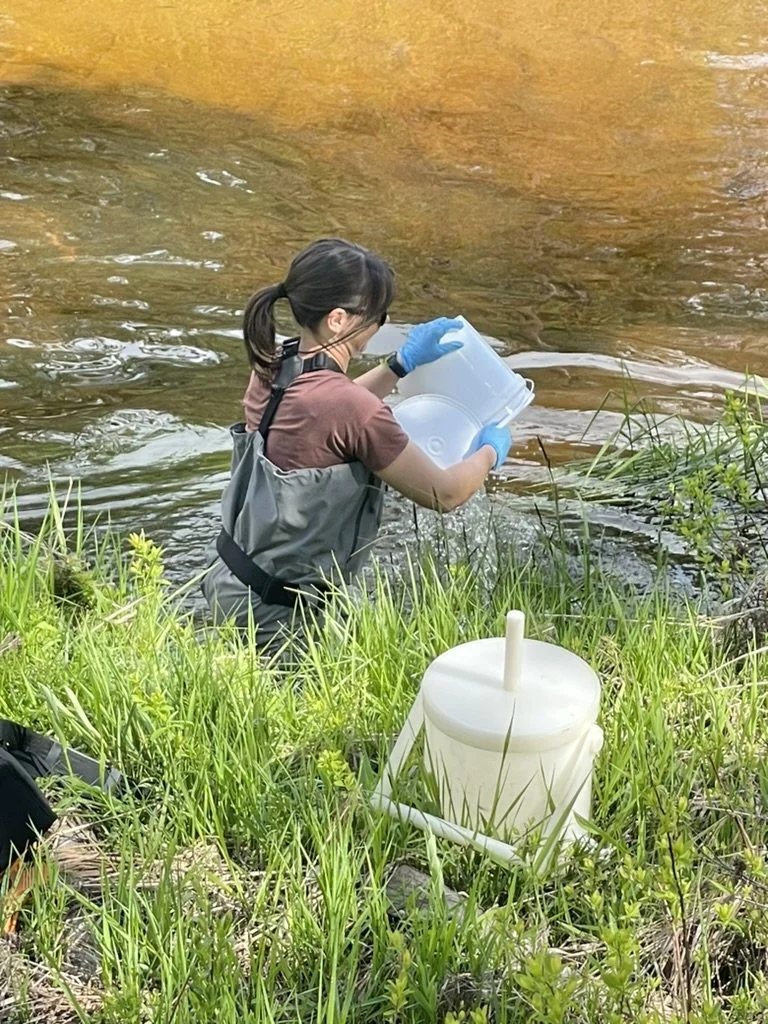
Water and Soil Tests
Understanding the quality and characteristics of your water and soil is essential for protecting human health, managing productive land, and making informed decisions about your property. The Valley Soil and Water Conservation District facilitates access to water and soil testing services through Central District Health and other certified laboratories, helping landowners assess the resources that support their homes, livestock, crops, and ecosystems.
Water Testing
Water testing is important for landowners relying on private wells, springs, or surface water sources for drinking water, livestock, or irrigation. Standard water quality tests can identify bacterial contamination, heavy metals, nitrates, pH levels, and other parameters that affect water safety and usability. If you've recently purchased property with a private well, haven't tested your water in several years, or notice changes in water taste, odor, or appearance, testing is a critical first step.
The District can help you understand which tests are appropriate for your situation and how to properly collect water samples for laboratory analysis. For drinking water, bacterial testing (coliform and E. coli) is essential, along with tests for nitrates if you have young children or pregnant women in your household. Livestock water may require different parameters, and irrigation water testing helps identify salinity or mineral content that could affect crop health or soil structure.
Soil Testing
Soil testing provides valuable information about nutrient levels, pH, organic matter content, and other soil properties that influence plant growth and land productivity. Whether you're planning a garden, establishing pasture, managing cropland, or assessing soil suitability for a septic system, soil testing takes the guesswork out of land management decisions.
Agricultural soil tests help you optimize fertilizer applications, saving money while preventing nutrient runoff that can degrade water quality. By understanding your soil's existing nutrient levels, you can apply only what your crops need, improving yields while protecting streams and groundwater. Soil pH testing is particularly important in Idaho, where alkaline soils can limit nutrient availability to plants even when fertilizer has been applied.
How to Get Started
Contact the Valley Soil and Water Conservation District to learn about available testing options, sampling procedures, and costs. We can connect you with Central District Health for water testing kits and certified laboratories for soil analysis. After receiving your test results, District staff can help you interpret the findings and develop management recommendations tailored to your property and goals.
Regular water and soil testing is an investment in your property's productivity, your family's health, and the long-term sustainability of Valley County's natural resources. Whether you're a new landowner establishing baseline data or an experienced manager fine-tuning your practices, testing provides the information you need to make sound decisions.